
Vehicle Parts Reverse Engineering
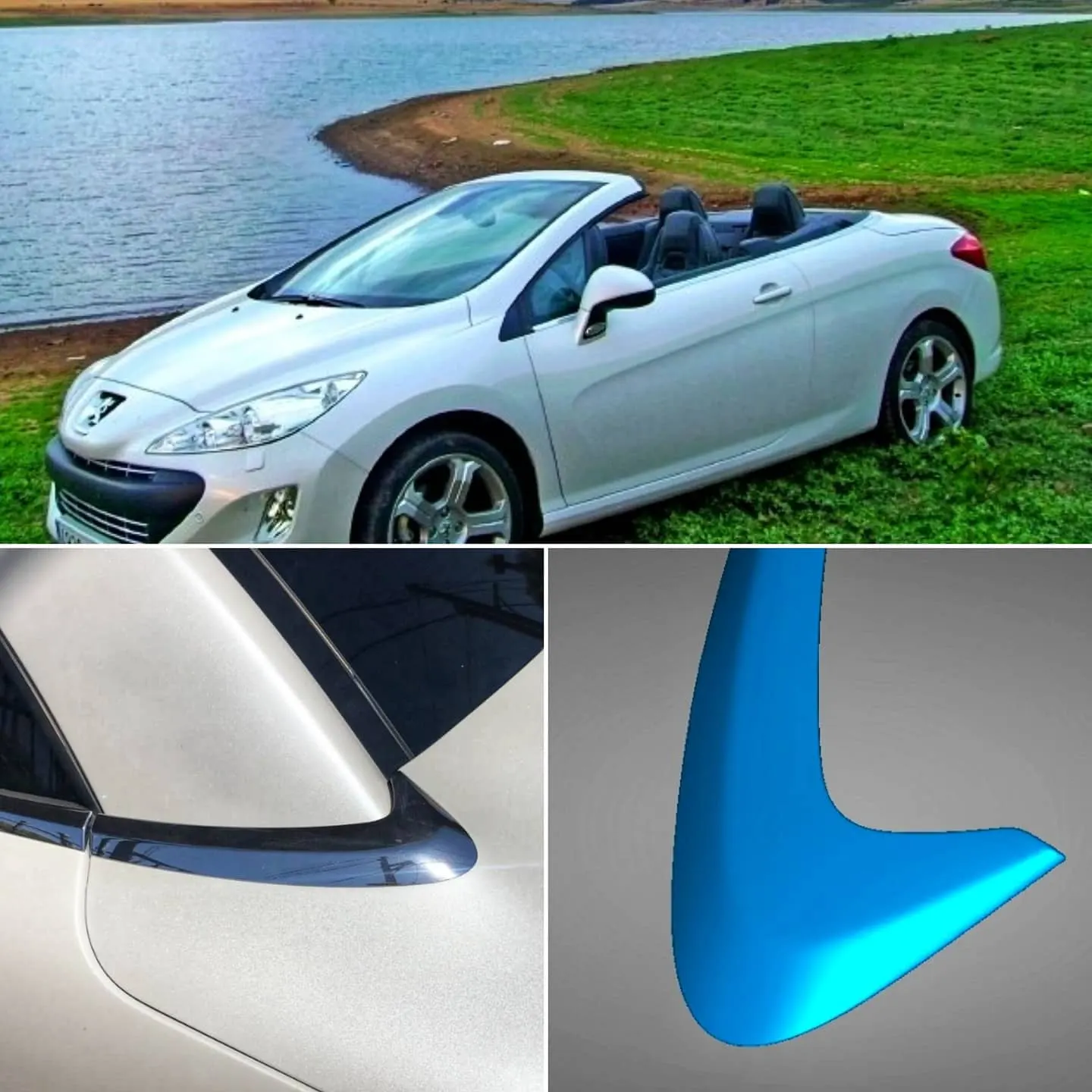
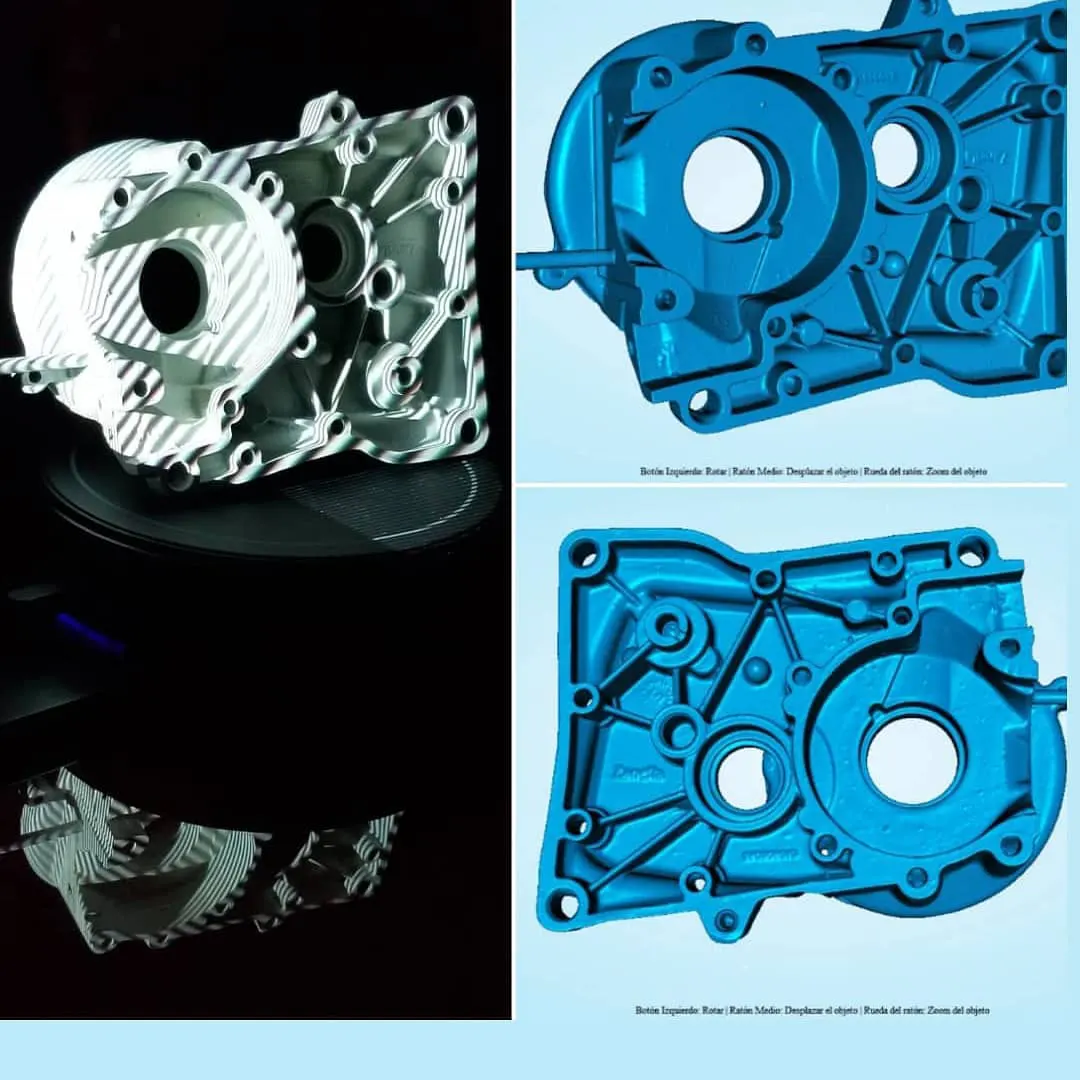
This project focuses on vehicle parts reverse engineering across different component types, including exterior panels, structural elements, and mechanical housings. Each part required a different approach because geometry, function, and installation conditions vary significantly. Therefore, the workflow was adapted to each object rather than applied as a fixed template. This case is part of our reverse engineering projects and supports the same logic used across our engineering projects.
Understanding Geometry Before Reconstruction
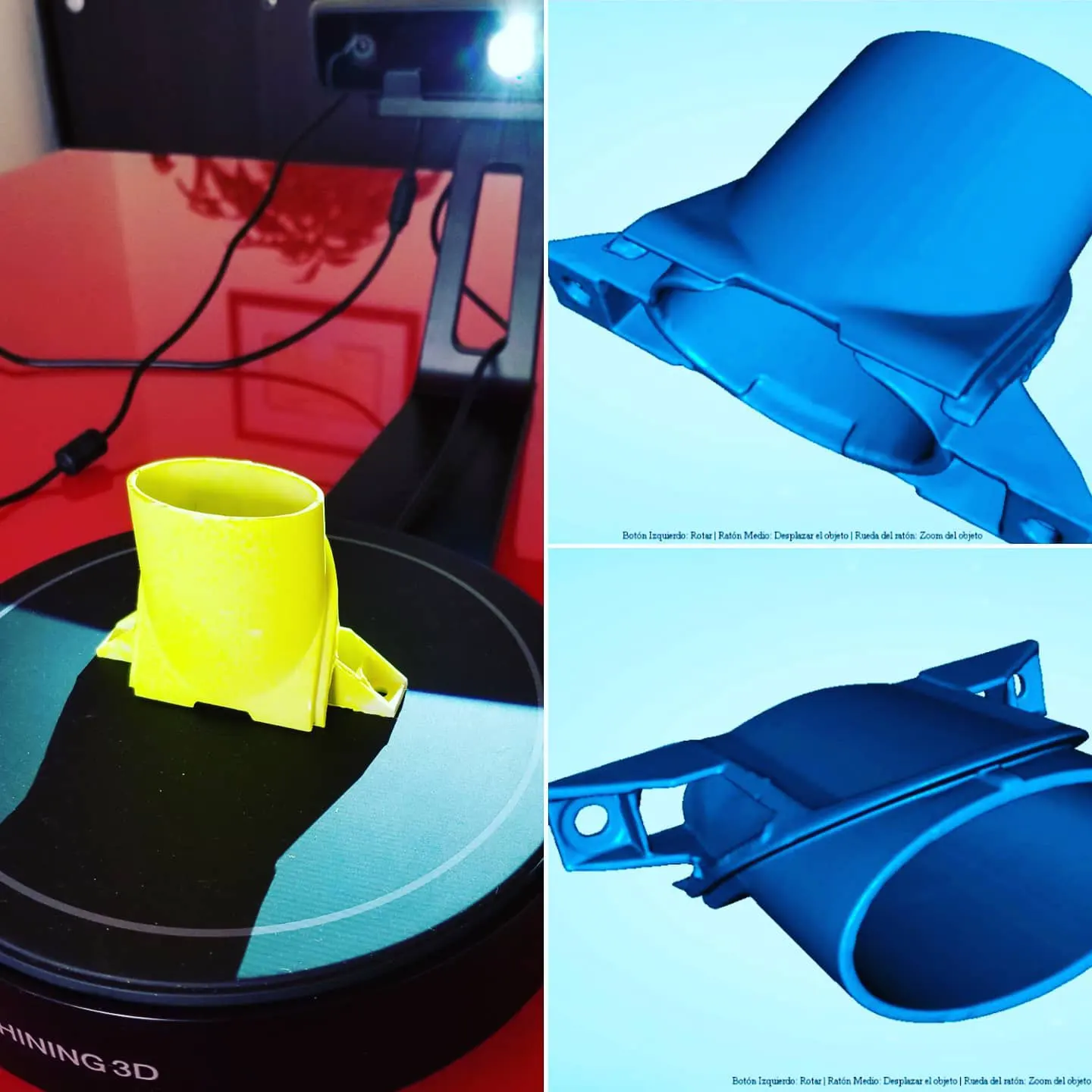
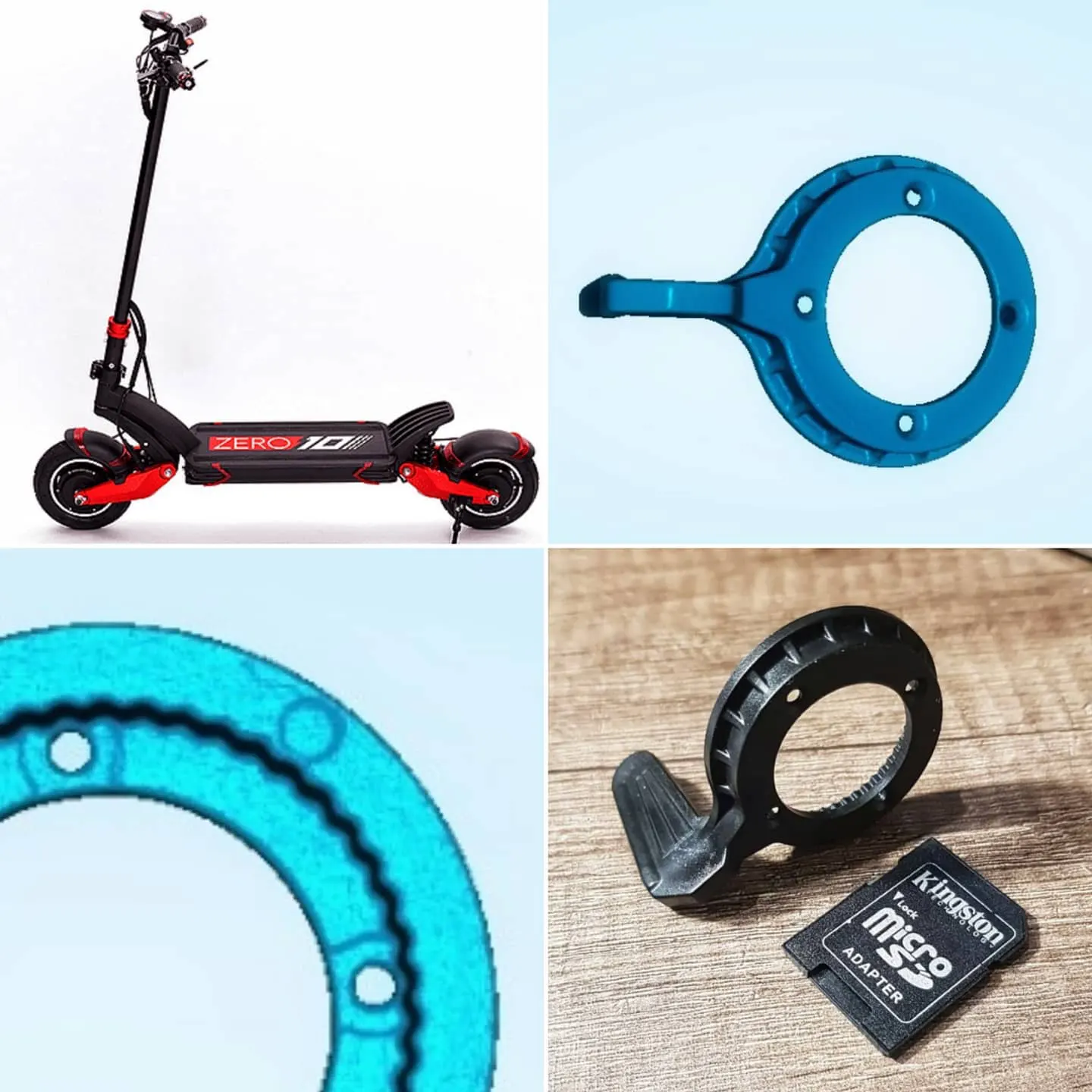
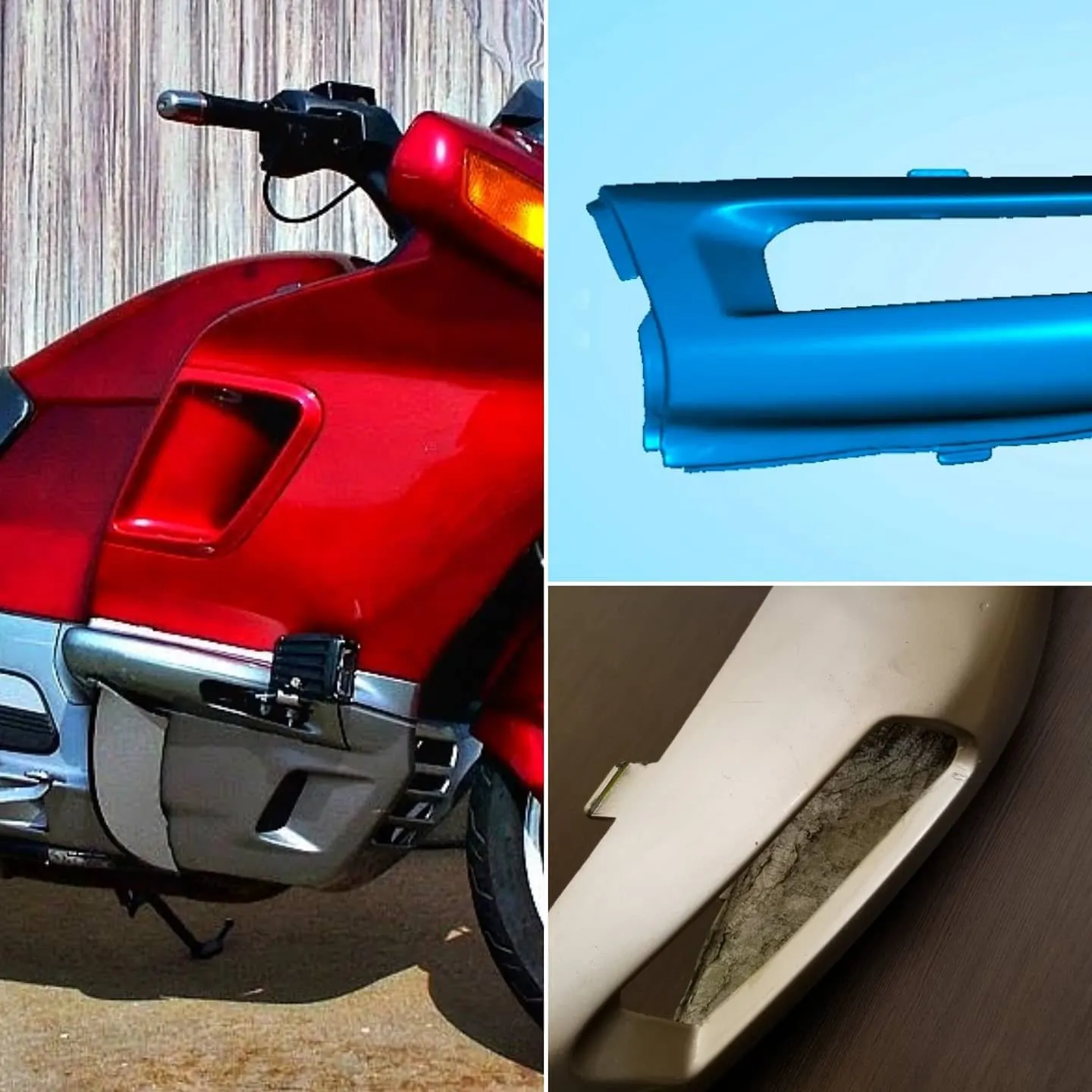
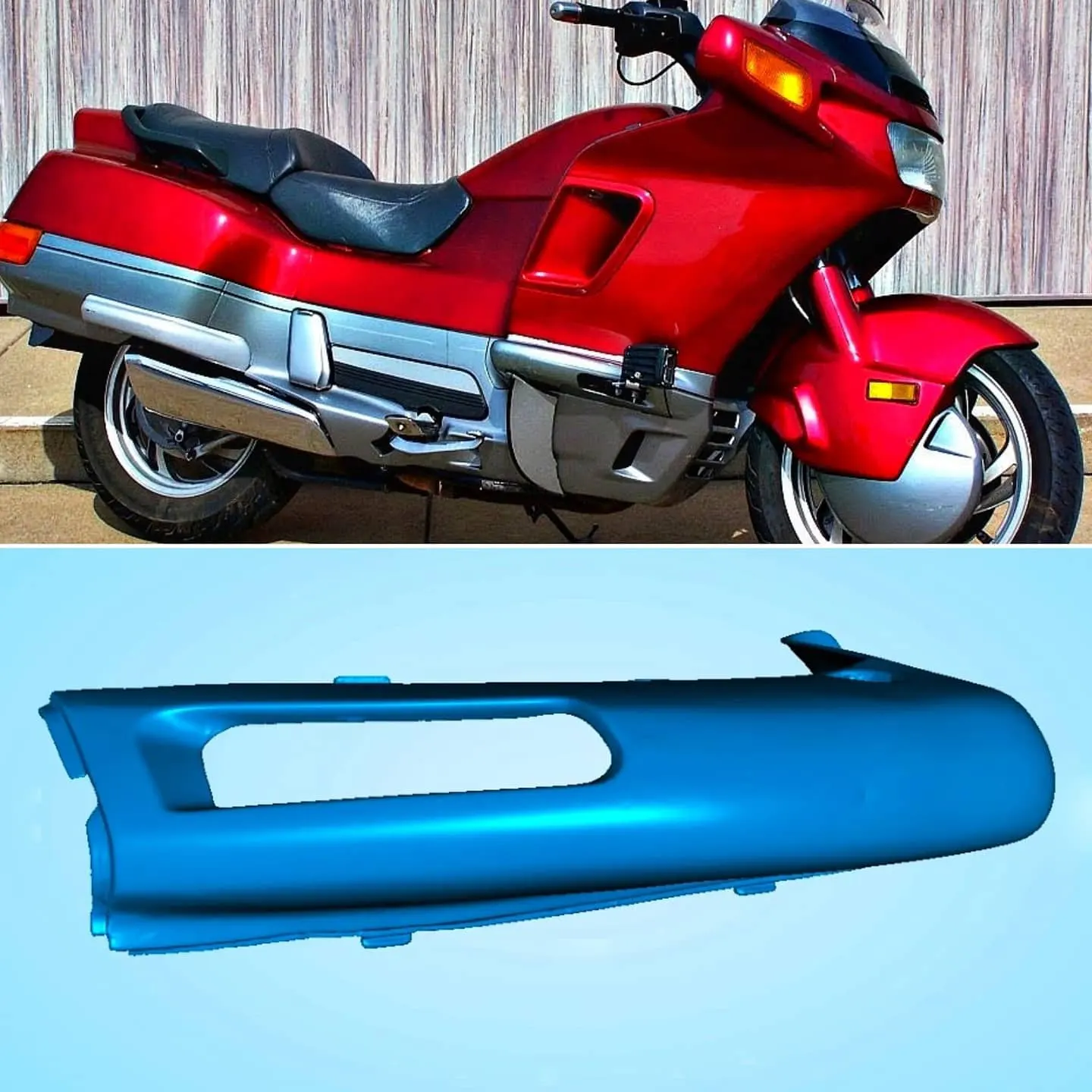
Each component was first evaluated based on how it functions in the assembly. Some parts rely on visual continuity, while others depend on precise alignment. Because of this, the reconstruction strategy started with identifying critical features. For example, mounting zones and connection edges define whether a part will fit correctly. In contrast, outer surfaces define how the object is perceived after installation.
Types of Components in This Project
- Exterior panels with continuous visible surfaces.
- Mechanical covers with internal structure.
- Connection elements with defined mounting points.
3D Scanning of Vehicle Components
The scanning stage required different setups depending on material and surface condition. First, large-scale geometry was captured to establish the overall form. Then, attention shifted to smaller features such as edges, holes, and interfaces. As a result, the dataset included both global shape and local detail. This approach follows the same principles used in 3D scanning and detailed building measurement.
Key Focus During Scanning
- Preserving alignment between functional elements.
- Capturing surface flow without distortion.
- Maintaining sufficient detail for reconstruction.
From Scan Data to Functional Geometry
Raw scans often include noise, wear, and minor deformation. Therefore, the next step focused on transforming the dataset into usable geometry. First, the mesh was cleaned and stabilized. Then, missing or damaged areas were reconstructed based on surrounding geometry. In addition, critical interfaces were preserved to ensure compatibility with existing assemblies. As a result, the model became suitable for engineering use rather than just visualization.
Why Reverse Engineering Is Required for Vehicle Parts
Vehicle components are often difficult to reproduce using manual measurement alone. Complex curves, hidden structures, and irregular shapes make traditional methods unreliable. By contrast, vehicle parts reverse engineering provides a complete digital reference. This allows engineers to work with accurate geometry from the beginning of the process. The same principle is applied in scan-to-BIM, where existing conditions define the model.
Applications in Restoration and Replacement
One of the main applications of this workflow is restoration. When original parts are no longer available, reverse engineering becomes the only reliable method for reproduction. First, the existing part is digitized. Then, the geometry is corrected and prepared for manufacturing. As a result, new components can be produced with consistent dimensions and fit. For prototyping and testing, models can also be used within 3D printing workflows before final production.
Integration into Engineering Workflows
The reconstructed models can be integrated into various workflows, including CAD modeling, simulation, and production planning. Moreover, the same data can support documentation and redesign tasks. This flexibility makes reverse engineering a practical tool not only for repair, but also for product development and optimization.
Project Summary
Scope: scanning and reconstruction of multiple vehicle components with different geometry types.
Output: clean digital models suitable for CAD workflows and reproduction.
Use case: restoration, replacement parts, and engineering analysis.
Project FAQ
What is vehicle parts reverse engineering?
It is the process of capturing existing components and converting them into accurate digital models for analysis, reconstruction, or manufacturing.
When is reverse engineering used in automotive projects?
It is used when parts are discontinued, damaged, or require modification to fit a specific application.
How accurate is 3D scanning for vehicle parts?
Modern scanning technologies provide sufficient accuracy for engineering tasks, including replacement part production.
Can damaged components be reconstructed?
Yes. Even if a part is worn or partially broken, its geometry can be restored using reconstruction techniques.
What is the output of the process?
The result is a digital model that can be used for CAD, simulation, or manufacturing workflows.
Is 3D printing used after reverse engineering?
Yes. 3D printing is often used to validate geometry and test fit before full-scale production.