
Forensic 3D Scanning
This forensic 3D scanning subproject focuses on capturing and reconstructing a damaged object with complex geometry. First, we document the current condition. Then, we create a digital model that preserves the shape. As a result, the workflow provides reliable data for analysis and documentation. This work is part of our reverse engineering projects.
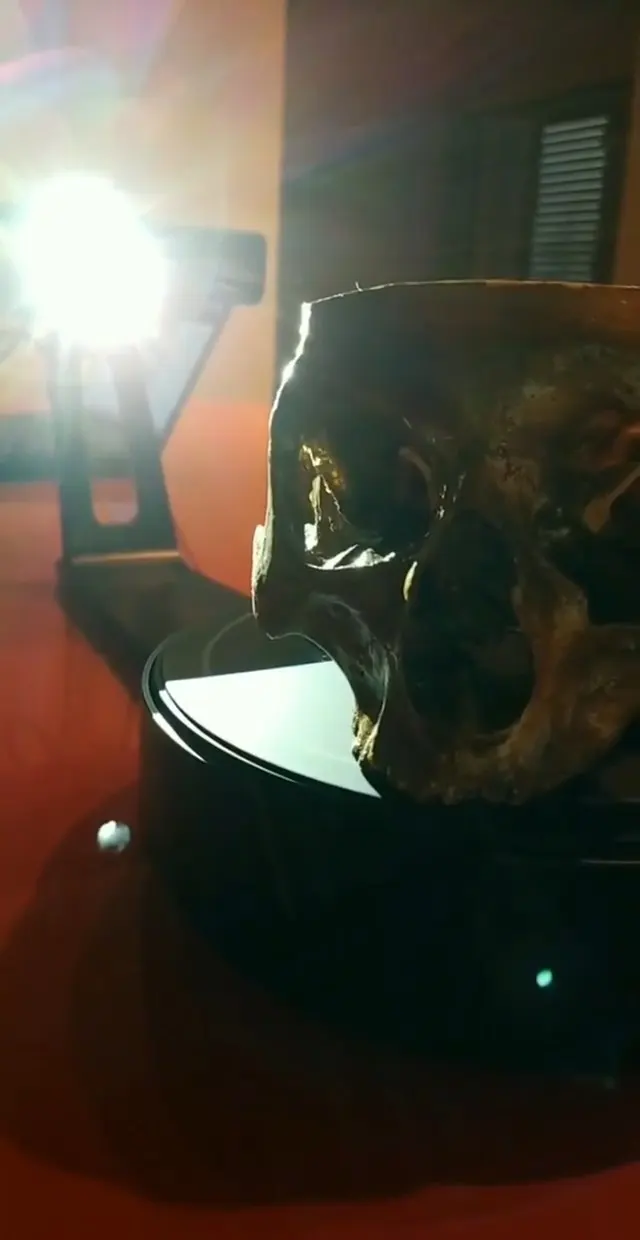
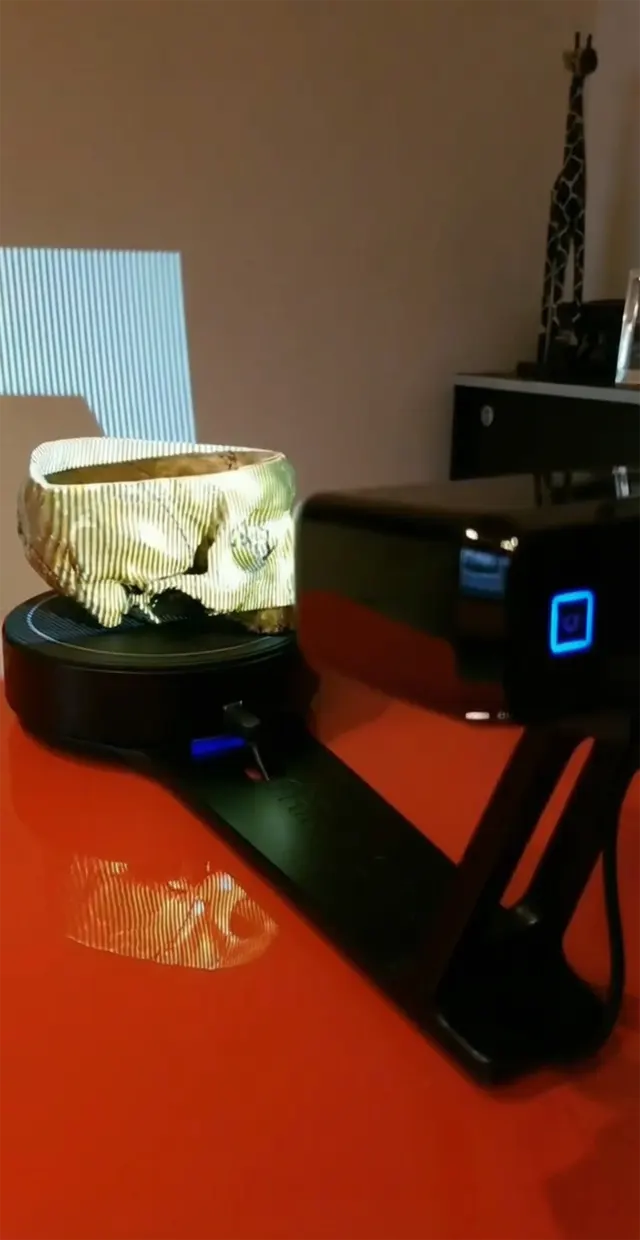
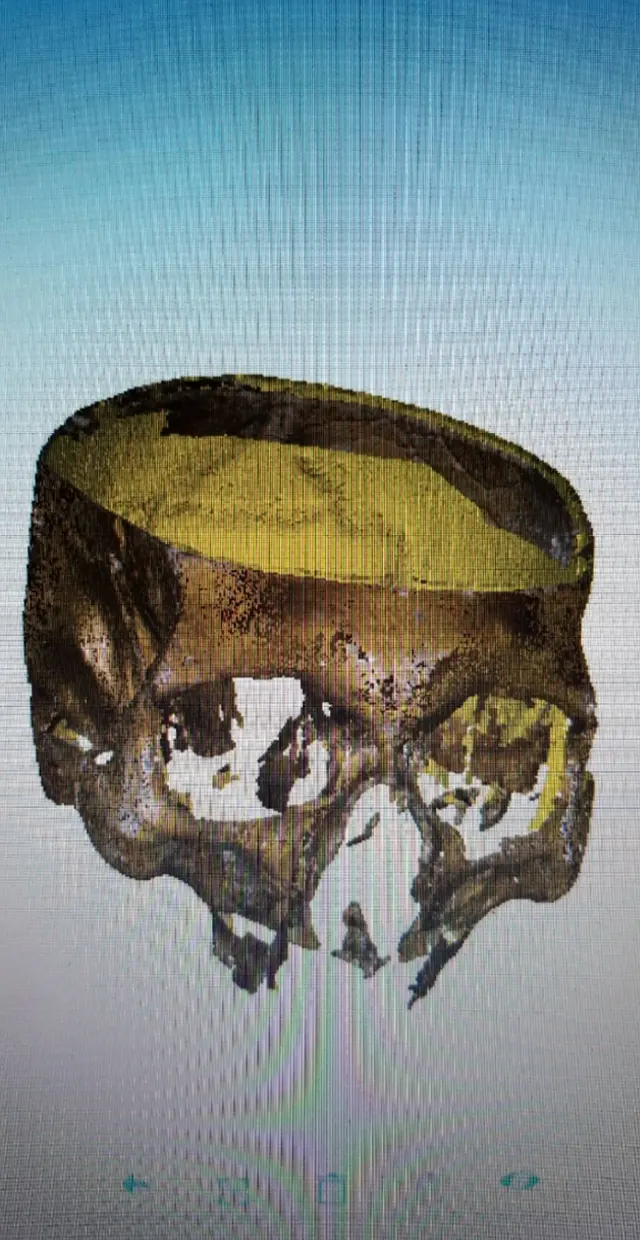
Capture of Irregular Geometry
The object contains broken edges and missing areas. Therefore, manual measurement is not reliable. First, we scan the surface using a controlled setup. Then, we align multiple scans to build a complete dataset. As a result, we obtain a detailed representation of the object. This approach follows the same principles used across our project portfolio.
Key Technical Tasks
- Capture fragmented geometry with stable alignment.
- Preserve surface detail in damaged regions.
- Prepare scan data for reconstruction workflow.
Reconstruction and Model Preparation
After scanning, we process the mesh and remove noise. Then, we review surface continuity and identify missing areas. In addition, we prepare the model for further interpretation. As a result, the geometry becomes suitable for technical analysis. Moreover, the model can be used in documentation and reporting workflows.
Why Digital Models Are Important
A digital model allows detailed inspection of complex shapes. For example, it helps identify deformation and structural loss. In addition, it supports accurate documentation. Therefore, teams can work with consistent data instead of physical fragments.
Practical Outcome
The result is a structured digital model that reflects the current condition of the object. As a result, it supports analysis, reconstruction, and documentation tasks. Moreover, the workflow demonstrates how 3D scanning can be applied in forensic and investigative contexts. To discuss a similar task, use the contact page.
Project Summary
Scope: 3D scanning of a fragmented object with irregular geometry.
Output: point cloud, processed mesh, and digital reconstruction.
Use case: documentation, analysis, and reconstruction of damaged structures.
Project FAQ
What is forensic 3D scanning?
It is the process of capturing damaged or complex objects to create accurate digital models for analysis and documentation.
Why use 3D scanning for damaged objects?
Because broken geometry is difficult to measure manually. Therefore, scanning provides more reliable data.
Can missing parts be reconstructed?
Yes. Digital models allow interpretation and reconstruction of incomplete geometry.
Is the model suitable for technical analysis?
Yes. The processed model supports inspection, documentation, and further engineering workflows.